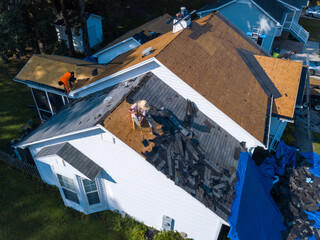
Roof repair is an essential part of home maintenance that protects both the house’s structure and the people living inside. Even minor roofing issues can quickly escalate into serious problems if left unaddressed for too long. Leaks, missing shingles, and damage to flashing may seem minor at first, but they can lead to mold growth, wood rot, and costly interior repairs over time. Many homeowners are unsure about roof repairs because they do not fully understand the process or associated costs. Roofing work is often out of sight, making it harder to determine what is necessary and what is not. Learning how roof repairs are performed and what factors influence pricing helps homeowners make confident decisions and avoid unnecessary expenses.
This article explains the roof repair process step by step and breaks down the associated costs. It is designed to be informative, easy to read, and practical for homeowners who want to protect their investment and plan their budget wisely.
Common Roof Problems That Require Repair
Roof repairs are usually needed when damage occurs due to age, weather, or poor installation. One of the most common issues is damaged or missing shingles. Shingles can crack, curl, or blow off during storms, leaving the roof exposed to water intrusion. When this happens, moisture can seep into the underlying layers and cause further damage.
Leaks are another frequent reason homeowners seek roof repairs. A leak does not always appear directly above the source of the problem, which makes it tricky to locate. Water can travel along roof decking and framing before dripping into the living space. This often results in stains on ceilings or walls and may indicate a much larger issue within the roofing system.
Flashing and seal failures also contribute to roof problems. Flashing is installed around chimneys, vents, and skylights to prevent water from entering. Over time, flashing can corrode, loosen, or crack. Sealants can dry out and lose effectiveness, especially in areas exposed to intense sunlight or extreme temperatures. These issues often require timely repairs to prevent further damage.
The Roof Repair Inspection and Assessment Process
The roof repair process usually begins with a thorough inspection. A roofing professional examines the surface of the roof, looking for visible signs of damage such as missing shingles, cracked materials, or sagging areas. The inspection may also include checking gutters, flashing, and roof penetrations to identify potential weak points.
In many cases, the inspection extends beyond the exterior. Contractors may inspect the attic or ceiling areas to look for signs of moisture, mold, or insulation damage. This helps determine how long the problem has been present and whether water has affected the structure beneath the roof. A detailed assessment ensures that all issues are addressed rather than just the most obvious ones.
After the inspection, the contractor provides an explanation of the findings and recommends the necessary repairs. This stage is important because it helps homeowners understand the scope of work and the urgency of the repairs. Clear communication during this phase sets realistic expectations for both the repair process and the associated costs.
Step by Step Overview of the Roof Repair Process
Once the assessment is complete and the homeowner approves the work, the actual roof repair process begins. The first step is preparing the area by securing loose materials and protecting surrounding property. Contractors may cover landscaping or place tarps to catch debris during the repair.
The damaged roofing materials are then removed carefully. This could involve replacing a few shingles, repairing flashing, or removing sections of the roof to access deeper layers. If the underlying decking or underlayment is damaged, it is repaired or replaced before new materials are installed. Addressing these hidden issues is crucial for ensuring the longevity of the repair.
After repairs are completed, new materials are installed and sealed properly. Contractors ensure that everything is aligned, secured, and weather resistant. The final step includes a cleanup and a brief inspection to confirm that the repair meets quality standards. When done correctly, roof repairs restore the roof’s ability to protect the home and prevent future issues.
Factors That Influence Roof Repair Costs
Roof repair costs vary depending on several important factors. The type of damage plays a major role in pricing. Minor repairs such as replacing a few shingles are generally affordable, while extensive water damage or structural repairs increase the overall cost. The longer a problem goes unaddressed, the more expensive it usually becomes.
Roofing material also affects repair costs. Asphalt shingles are typically less expensive to repair than metal, tile, or slate roofing. Specialized materials often require skilled labor and specific tools, which can raise labor costs. The availability of matching materials may also influence pricing, especially for older roofs.
Labor rates, roof accessibility, and location are additional considerations. Steep or multi story roofs require more time and safety precautions, which can increase costs. Local labor rates and regional weather conditions may also affect pricing. Understanding these factors helps homeowners see why estimates can vary and why the cheapest option is not always the best choice.
Repair Versus Replacement and Long Term Value
One of the most common questions homeowners face is whether to repair the roof or replace it entirely. Roof repair is often the best choice when damage is limited and the roof is relatively young. Timely repairs can extend the life of a roof by many years and prevent the need for a costly replacement.
However, repeated repairs on an aging roof may not be cost effective in the long run. If the roof is nearing the end of its lifespan or has widespread damage, replacement may offer better value. A new roof provides improved durability, energy efficiency, and peace of mind, which can outweigh the higher upfront cost.
Considering long term value is essential when deciding on roof repairs. Quality repairs performed by experienced professionals protect the home and reduce the risk of future problems. Whether repairing or planning for eventual replacement, making informed decisions helps homeowners maximize their investment and maintain a safe living environment.
Final Thoughts
Understanding the roof repair process and its associated costs empowers homeowners to take action before small issues become major problems. Roof repairs are a critical part of maintaining a home’s structural integrity and protecting it from the elements. When handled promptly and professionally, repairs can significantly extend the life of a roof.
Costs can vary, but they are influenced by clear factors such as damage type, materials, labor, and accessibility. Knowing what affects pricing allows homeowners to plan their budget and evaluate repair estimates with confidence. Investing in proper repairs today often prevents far more expensive damage in the future.
By working with qualified roofing professionals and addressing issues early, homeowners can ensure their roof continues to perform its job effectively. Roof repair is not just about fixing what is broken, but about preserving the comfort, safety, and value of the home for years to come.
Visit our Professional Services Blogs
Smart Choice Plumbing And Air, Sanitize My Airducts, Bethesda Locksmith, Golden Coast Cleaners, Advanced Concrete Staining, Home Pool Cleaners, Brayhines Septic, Shaka Pool And Spa Cleaning,Mr Clean And Shine, Best Appliance Repair Long Beach, Gulf to Bay Water Remediation, Garage Door San Francisco, Richmond Flooring, Fence Builders Woodlands, Colorado Springs Auto, Fuel Frontlines, Expert 24 Option, Sacramento Roseville Real Estate, SLO Homes, Philadelphia Towing, State Powerwashing, Truck Tires Worldwide, Website Translation, Construction Company Farmington NM, Green Home Los Angeles, Trinity SEO Marketing, Electric Fireplaces, Argos Bookkeeping, Christopherson Drywall,Garage Door Installation, Missouri Personal Injury Lawyer Blog, Alvins Auto Body, Carpet Care Pros, Las Vegas Concrete, Clark Concrete Company, Deck Builders Missour City, Lechleitner Builders, Medical Health Insurance Policy, Royal Siding Windows, Carpet Steam Cleaners Review, Go Greeen Lawn Painting, Oakwood Skate Deck, Texas Home Remodeling And Painting, USA Home Repair Remodeling, Dream Home Remodeling Services, Brent Lawn Homes, Great Ernm Homes, Accelerated Orthodontic, Arctic Cooling And Heating, Baltimore Heating And Airconditioning
