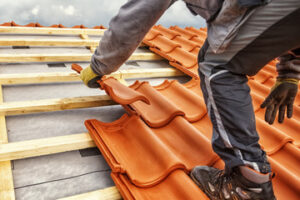
Comprehensive Guide to Roofing Services: Protecting Your Home and Enhancing Longevity

A strong and durable roof is one of the most essential components of any home or building. It not only shields the structure from the elements but also contributes to energy efficiency, curb appeal, and property value. Maintaining a healthy roof requires regular inspections, repairs, and sometimes complete replacements, all of which fall under the umbrella of professional roofing services. Understanding the scope of these services, the types of roofing available, and the benefits of proactive maintenance can help homeowners and property managers protect their investment and avoid costly repairs.

Roofing services encompass a wide range of activities, from routine inspections and minor repairs to full-scale installations and replacements. Professional roofing contractors are trained to assess the condition of your roof, identify potential problems, and recommend solutions that are both practical and cost-effective. One of the primary advantages of hiring skilled roofing professionals is their ability to detect issues that may not be visible to the untrained eye, such as subtle water damage, compromised underlayment, or deteriorating flashing. Early detection allows homeowners to address problems before they escalate into major structural damage. Check out https://www.danforthconstruction.com/ for more details.
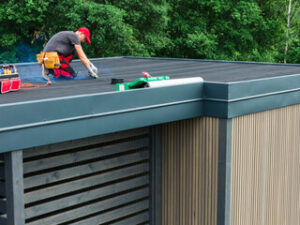
roofing

Routine roof inspections are a critical component of roofing services. These inspections involve a thorough examination of all components of the roof, including shingles, tiles, metal panels, gutters, and venting systems. During inspections, professionals look for signs of wear and tear, such as cracks, curling, missing shingles, rusted metal, and water intrusion. Regular inspections, ideally conducted at least twice a year, help prevent unexpected leaks, structural damage, and reduced roof lifespan. Additionally, inspections are especially important after severe weather events like heavy rain, hail, or high winds, which can cause unseen damage that worsens over time.

Roof repair services address specific issues that compromise the functionality and durability of the roof. Common repairs include fixing leaks, replacing damaged shingles or tiles, sealing gaps around vents and chimneys, and repairing flashing. Timely repairs not only prevent further damage to the roof but also protect the interior of the home from water intrusion, mold growth, and structural weakening. Homeowners should prioritize addressing roof problems promptly, as delaying repairs can lead to more extensive damage and higher costs down the line.

Roof replacement or installation services are necessary when a roof has reached the end of its lifespan, sustained extensive damage, or requires an upgrade for aesthetic or performance reasons. Professional contractors guide homeowners through the process of selecting the appropriate roofing material, considering factors such as durability, climate suitability, energy efficiency, and budget. Modern roofing materials offer a wide range of options, including asphalt shingles, metal roofing, clay or concrete tiles, and eco-friendly alternatives. Proper installation is critical to ensure longevity, prevent leaks, and maintain the structural integrity of the building.

Two key factors to consider when evaluating roofing services include:

  1. Material Expertise: Roofing contractors often specialize in certain materials, which ensures proper installation and maintenance. For example, metal roofing requires different techniques than asphalt shingles or tile roofing.
  2. Comprehensive Service Offerings: The best roofing providers offer a full spectrum of services, including inspections, repairs, maintenance, and complete replacements, allowing homeowners to rely on a single professional source for all roofing needs.

Preventive roof maintenance is another crucial aspect of roofing services. Maintenance tasks can include cleaning gutters, trimming overhanging branches, inspecting attic ventilation, and applying protective coatings. Proper maintenance extends the life of the roof, improves energy efficiency, and reduces the risk of costly repairs. For example, debris in gutters can lead to water buildup, which causes rot or leaks, while overhanging tree branches can damage shingles during storms. Regular maintenance ensures that small issues are addressed before they develop into larger problems.

Professional roofing services also prioritize safety and compliance. Roofing projects involve working at heights, handling heavy materials, and using specialized tools and equipment. Experienced contractors follow safety protocols, such as fall protection and proper scaffolding, to minimize the risk of accidents. Moreover, professional roofers ensure that all work complies with local building codes and manufacturer guidelines. Compliance is essential for maintaining warranties, avoiding legal complications, and ensuring the structural integrity of the roof.

Emergency roofing services are another critical aspect of professional care. Severe weather events, fallen trees, or unexpected leaks can create urgent situations that threaten the safety and functionality of a property. Emergency services often include temporary tarping, rapid leak repairs, or structural stabilization to prevent further damage. Quick response in these situations mitigates risks, protects property, and provides peace of mind for homeowners facing sudden roofing issues.

Energy efficiency is an increasingly important consideration in modern roofing services. Many roofing materials and installation techniques are designed to reduce heat absorption, improve insulation, and lower energy costs. For instance, reflective shingles or metal roofing can deflect sunlight, keeping homes cooler during summer months and reducing the load on air conditioning systems. Proper insulation and ventilation further enhance efficiency, providing long-term savings on utility bills while contributing to environmentally responsible building practices.

Roofing services also contribute to curb appeal and property value. A well-maintained roof enhances the visual appeal of a home, making it more attractive to potential buyers or tenants. Whether it involves replacing worn shingles, upgrading to high-quality materials, or installing architectural features, professional roofers can improve both the functionality and aesthetics of a property. Additionally, a visually appealing and structurally sound roof instills confidence in the durability and maintenance of the home.

Two essential benefits of professional roofing services include:

  1. Long-Term Cost Savings: By addressing minor repairs promptly, conducting regular maintenance, and selecting durable materials, homeowners can avoid expensive emergency repairs and premature roof replacements.
  2. Peace of Mind: Knowing that a roof is professionally inspected, repaired, and maintained ensures safety, structural integrity, and protection from weather-related damage.

Choosing the right roofing service requires careful consideration of experience, reputation, and service offerings. Homeowners should look for licensed and insured contractors with a proven track record of quality work. Transparent pricing, detailed estimates, and clear communication are also vital in ensuring that the project meets expectations without hidden costs. Seeking referrals, reading reviews, and verifying credentials further enhances confidence in selecting a roofing professional.

In conclusion, professional roofing services are essential for the protection, longevity, and value of any home or building. From routine inspections and maintenance to repairs, replacements, and emergency response, these services address a wide range of needs, ensuring that the roof remains functional, safe, and aesthetically appealing. By understanding the scope and benefits of roofing services, homeowners can make informed decisions, prevent costly damage, and enhance the overall durability of their property. Investing in professional roofing expertise is not just a matter of maintaining a structure—it is an investment in safety, energy efficiency, and long-term peace of mind.
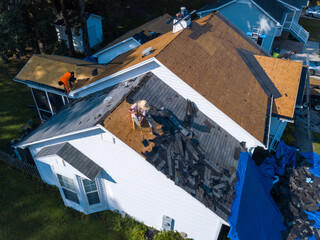
Roof Repair Process and Cost: What Homeowners Need to Know

Roof Repair

Roof repair is an essential part of home maintenance that protects both the house’s structure and the people living inside. Even minor roofing issues can quickly escalate into serious problems if left unaddressed for too long. Leaks, missing shingles, and damage to flashing may seem minor at first, but they can lead to mold growth, wood rot, and costly interior repairs over time. Many homeowners are unsure about roof repairs because they do not fully understand the process or associated costs. Roofing work is often out of sight, making it harder to determine what is necessary and what is not. Learning how roof repairs are performed and what factors influence pricing helps homeowners make confident decisions and avoid unnecessary expenses.

This article explains the roof repair process step by step and breaks down the associated costs. It is designed to be informative, easy to read, and practical for homeowners who want to protect their investment and plan their budget wisely. Go to this website at https://wrightroofingconstruction.com/ to learn more.

Common Roof Problems That Require Repair

Roof repairs are usually needed when damage occurs due to age, weather, or poor installation. One of the most common issues is damaged or missing shingles. Shingles can crack, curl, or blow off during storms, leaving the roof exposed to water intrusion. When this happens, moisture can seep into the underlying layers and cause further damage.

Leaks are another frequent reason homeowners seek roof repairs. A leak does not always appear directly above the source of the problem, which makes it tricky to locate. Water can travel along roof decking and framing before dripping into the living space. This often results in stains on ceilings or walls and may indicate a much larger issue within the roofing system.

Flashing and seal failures also contribute to roof problems. Flashing is installed around chimneys, vents, and skylights to prevent water from entering. Over time, flashing can corrode, loosen, or crack. Sealants can dry out and lose effectiveness, especially in areas exposed to intense sunlight or extreme temperatures. These issues often require timely repairs to prevent further damage.

The Roof Repair Inspection and Assessment Process

The roof repair process usually begins with a thorough inspection. A roofing professional examines the surface of the roof, looking for visible signs of damage such as missing shingles, cracked materials, or sagging areas. The inspection may also include checking gutters, flashing, and roof penetrations to identify potential weak points.

In many cases, the inspection extends beyond the exterior. Contractors may inspect the attic or ceiling areas to look for signs of moisture, mold, or insulation damage. This helps determine how long the problem has been present and whether water has affected the structure beneath the roof. A detailed assessment ensures that all issues are addressed rather than just the most obvious ones.

After the inspection, the contractor provides an explanation of the findings and recommends the necessary repairs. This stage is important because it helps homeowners understand the scope of work and the urgency of the repairs. Clear communication during this phase sets realistic expectations for both the repair process and the associated costs.

Step by Step Overview of the Roof Repair Process

Once the assessment is complete and the homeowner approves the work, the actual roof repair process begins. The first step is preparing the area by securing loose materials and protecting surrounding property. Contractors may cover landscaping or place tarps to catch debris during the repair.

The damaged roofing materials are then removed carefully. This could involve replacing a few shingles, repairing flashing, or removing sections of the roof to access deeper layers. If the underlying decking or underlayment is damaged, it is repaired or replaced before new materials are installed. Addressing these hidden issues is crucial for ensuring the longevity of the repair.

After repairs are completed, new materials are installed and sealed properly. Contractors ensure that everything is aligned, secured, and weather resistant. The final step includes a cleanup and a brief inspection to confirm that the repair meets quality standards. When done correctly, roof repairs restore the roof’s ability to protect the home and prevent future issues.

Factors That Influence Roof Repair Costs

Roof repair costs vary depending on several important factors. The type of damage plays a major role in pricing. Minor repairs such as replacing a few shingles are generally affordable, while extensive water damage or structural repairs increase the overall cost. The longer a problem goes unaddressed, the more expensive it usually becomes.

Roofing material also affects repair costs. Asphalt shingles are typically less expensive to repair than metal, tile, or slate roofing. Specialized materials often require skilled labor and specific tools, which can raise labor costs. The availability of matching materials may also influence pricing, especially for older roofs.

Labor rates, roof accessibility, and location are additional considerations. Steep or multi story roofs require more time and safety precautions, which can increase costs. Local labor rates and regional weather conditions may also affect pricing. Understanding these factors helps homeowners see why estimates can vary and why the cheapest option is not always the best choice.

Repair Versus Replacement and Long Term Value

One of the most common questions homeowners face is whether to repair the roof or replace it entirely. Roof repair is often the best choice when damage is limited and the roof is relatively young. Timely repairs can extend the life of a roof by many years and prevent the need for a costly replacement.

However, repeated repairs on an aging roof may not be cost effective in the long run. If the roof is nearing the end of its lifespan or has widespread damage, replacement may offer better value. A new roof provides improved durability, energy efficiency, and peace of mind, which can outweigh the higher upfront cost.

Considering long term value is essential when deciding on roof repairs. Quality repairs performed by experienced professionals protect the home and reduce the risk of future problems. Whether repairing or planning for eventual replacement, making informed decisions helps homeowners maximize their investment and maintain a safe living environment.

Final Thoughts

Understanding the roof repair process and its associated costs empowers homeowners to take action before small issues become major problems. Roof repairs are a critical part of maintaining a home’s structural integrity and protecting it from the elements. When handled promptly and professionally, repairs can significantly extend the life of a roof.

Costs can vary, but they are influenced by clear factors such as damage type, materials, labor, and accessibility. Knowing what affects pricing allows homeowners to plan their budget and evaluate repair estimates with confidence. Investing in proper repairs today often prevents far more expensive damage in the future.

By working with qualified roofing professionals and addressing issues early, homeowners can ensure their roof continues to perform its job effectively. Roof repair is not just about fixing what is broken, but about preserving the comfort, safety, and value of the home for years to come.

Visit our Professional Services Blogs

Smart Choice Plumbing And Air, Sanitize My Airducts, Bethesda Locksmith, Golden Coast Cleaners, Advanced Concrete Staining, Home Pool Cleaners, Brayhines Septic, Shaka Pool And Spa Cleaning,Mr Clean And Shine, Best Appliance Repair Long Beach, Gulf to Bay Water Remediation, Garage Door San Francisco, Richmond Flooring, Fence Builders Woodlands, Colorado Springs Auto, Fuel Frontlines, Expert 24 Option, Sacramento Roseville Real Estate, SLO Homes, Philadelphia Towing, State Powerwashing, Truck Tires Worldwide, Website Translation, Construction Company Farmington NM, Green Home Los Angeles, Trinity SEO Marketing, Electric Fireplaces, Argos Bookkeeping, Christopherson Drywall,Garage Door Installation, Missouri Personal Injury Lawyer Blog, Alvins Auto Body, Carpet Care Pros, Las Vegas Concrete, Clark Concrete Company, Deck Builders Missour City, Lechleitner Builders, Medical Health Insurance Policy, Royal Siding Windows, Carpet Steam Cleaners Review, Go Greeen Lawn Painting, Oakwood Skate Deck, Texas Home Remodeling And Painting, USA Home Repair Remodeling, Dream Home Remodeling Services, Brent Lawn Homes, Great Ernm Homes, Accelerated Orthodontic, Arctic Cooling And Heating, Baltimore Heating And Airconditioning

Silent Guardians Above: The Subtle Evolution of the Modern Roofing Company

A roof is the quiet shield that protects everything beneath it. Roofing companies have transformed from simple builders into intricate guardians of structural integrity. Their work now involves a balance of engineering precision and environmental sensitivity. Each project becomes a study in how form and function can coexist.

Modern Bears Valley Roofing Company begins their work long before materials arrive on site. They study how sunlight, wind, and rainfall interact with a structure over time. This allows them to design roof systems that respond to nature instead of resisting it. Such foresight reduces damage and prolongs the life of every layer.

Thermal behavior has become a hidden focus of roofing work. Companies now calculate how heat will travel through materials throughout the day. They design roofs to absorb, reflect, or release heat in controlled ways. This creates buildings that stay comfortable without wasting energy.

Moisture management has grown into an art within roofing projects. Companies no longer see leaks as failures of material alone but as failures of design. They map how water will try to infiltrate and escape across every joint and slope. Their goal is to make water move away as naturally as air does.

Noise control has also found its way into roofing design. Companies install materials that muffle the impact of rain and wind. They use underlayers that absorb vibration and sound to keep interiors quiet. Silence has become a measure of roofing quality.

The aesthetic role of roofing has expanded beyond simple colors or shapes. Companies now design roofs as architectural signatures that complement the entire structure. They blend textures, profiles, and angles to create visual harmony. A roof becomes an expression rather than just a cover.

Sustainability has shifted from marketing term to foundational principle in roofing companies. They favor recyclable materials and processes that generate less construction waste. Even the adhesives and sealants are chosen for their low environmental impact. Every decision reflects responsibility toward the future.

Ventilation strategies have reached new levels of sophistication. Roofing companies design hidden airflow channels that remove heat and moisture from beneath the surface. This invisible breathing keeps structures dry and stable. A well-ventilated roof quietly prevents countless future repairs.

Energy integration has also become a key frontier. Roofing companies now prepare surfaces to host future energy technologies without altering structural balance. They install hidden conduits and support frames within the roof layers. This foresight lets buildings adapt as energy systems evolve.

Digital modeling has reshaped how roofing projects are planned. Companies create virtual replicas of the roof to simulate stresses, temperature shifts, and water flow. These digital rehearsals reduce mistakes and delays on site. Accuracy now begins long before the first shingle is placed.

Safety has evolved into a silent ritual during roofing work. Companies use advanced anchoring systems, protective walkways, and real-time monitoring to protect workers. This safety culture reduces risks while speeding up installation. A safe site is now seen as a sign of mastery.

Weight distribution has become another subtle challenge roofing companies solve. They design support structures to carry heavier modern materials without stressing the building. This balance preserves the structure while enabling innovation. Strength and lightness must coexist perfectly.

Maintenance planning is now embedded into every roofing design. Companies build access points, modular components, and self-diagnosing systems into their projects. This allows owners to keep roofs performing well with minimal effort. Longevity becomes part of the initial blueprint.

Climate adaptability has grown into a signature strength of advanced roofing companies. They customize materials and structures to endure local extremes without degrading. This includes resisting high winds, freezing cycles, or intense heat. The roof becomes a living barrier against chaos.

Material science has quietly redefined roofing work. Companies explore composites that flex without cracking, reflect light without heat, and resist decay without chemicals. These breakthroughs create roofs that last longer while weighing less. Innovation hides within every layer.

Water harvesting integration has emerged as a novel focus. Roofing companies shape surfaces to channel rain into discreet collection systems. This transforms the roof from passive shield to active resource. Sustainability becomes tangible each time it rains.

Fire resistance has taken on new dimensions. Companies embed non-combustible barriers deep within the roofing system. These layers prevent fire from spreading while staying invisible to the eye. Safety is designed to be unseen yet absolute.

Even the timing of installation has become strategic. Roofing companies plan their work around weather patterns, material curing times, and structural settling. They treat time itself as a construction material to shape and control. This patience ensures roofs endure longer.

Digital monitoring has begun to merge with roofing maintenance. Companies embed sensors that report temperature, stress, and moisture levels in real time. This turns the roof into an intelligent skin that communicates with its caretakers. It warns of issues long before they appear.

Acoustic mapping has entered the toolkit of modern roofers. They analyze how sound will travel across and under the roof’s surface. This allows them to shape materials and geometry to reduce echoes and exterior noise. A quiet roof creates calm within.

Curb appeal has become more personalized in roofing projects. Companies now treat each roof as a signature element of a client’s identity. They shape silhouettes that stand out subtly rather than dominate. A roof becomes a statement whispered rather than shouted.

Environmental blending has become another subtle goal. Roofing companies design structures to merge with surrounding landscapes instead of rising above them. They choose colors and contours that echo the land’s shapes and tones. This makes buildings feel rooted rather than imposed.

Insulation layering has taken on new precision. Companies stack materials in complex sequences to control both heat and sound. This multi-layer choreography keeps interiors stable through dramatic seasonal changes. Comfort begins at the roofline.

Hidden drainage systems are now considered a mark of refinement. Roofing companies design channels that remain invisible while carrying away water instantly. This prevents surface clutter and reduces points of failure. Function becomes art when it disappears from view.

Cultural symbolism has even touched roofing designs. Companies sometimes incorporate shapes or motifs that reflect the values of the occupants. The roof quietly becomes part of the building’s identity and story. Architecture gains depth through subtle symbolism.

Adaptive repair strategies are reshaping how companies think about future damage. They build roofs to be partially replaceable without dismantling the whole structure. This modularity reduces costs and disruption over time. A roof becomes a living system instead of a fixed object.

Green layering techniques are changing how roofs interact with nature. Companies design surfaces to host vegetation while still protecting the structure below. This living layer cools the building and softens its visual impact. The roof becomes part of the ecosystem it shelters.

Transparency is an emerging curiosity in roofing design. Companies experiment with sections of translucent materials that let filtered light through. This creates glowing ceilings that change with the sky above. The roof becomes both shelter and window.

Wind choreography has grown from theory into practice. Roofing companies shape edges and slopes to guide wind around buildings instead of fighting it. This reduces stress while enhancing ventilation. Air becomes an ally rather than an enemy.

Every new technique signals how far roofing companies have traveled from their origins. They are no longer just builders of shelter but sculptors of resilience, comfort, and beauty. Their work rests silently above yet shapes every life beneath. The modern roof is no longer just a cover—it is a quiet masterpiece in motion.

Rising Above: The Modern Impact of Roofing Companies

A strong roof defines the safety of every home. It is more than shelter; it is protection against nature’s unpredictability. Trusted Helena Roofing Company focuses on durability and efficiency. They balance innovation with traditional craftsmanship.

Roofing

Clients now demand more than basic installation services. They expect guidance on materials, design, and long-term performance. Roofing companies have adapted to provide consultative expertise. They serve as advisors as much as installers.

Sustainability has become a central focus in roofing solutions. Companies are exploring eco-friendly materials that reduce environmental impact. Recycled metals and low-carbon composites are gaining popularity. Green roofing solutions now blend protection with responsibility.

Energy efficiency is another evolving trend. Roofs can reflect heat or support solar panels. These designs reduce energy bills and improve indoor comfort. Roofing companies integrate these options into standard offerings.

Innovation extends to design aesthetics. Roofs are no longer only functional—they are visual statements. Curved lines, layered textures, and vibrant finishes are now achievable. This trend shows how roofing has become part of architectural identity.

Weather resilience remains a key factor in roofing decisions. Companies now test materials against wind, rain, and extreme temperatures. This ensures longevity and reduces future repair costs. Customers increasingly value warranties backed by these rigorous tests.

Maintenance services are evolving alongside installation. Roofing companies now offer proactive inspections and cleaning programs. Preventive measures extend roof life and reduce emergency costs. Clients are learning that maintenance is as important as the initial build.

Technology has transformed material selection. Advanced coatings protect against UV damage, moss, and corrosion. Some roofing systems even self-repair minor cracks. Innovation is creating smarter roofs that demand less constant care.

Safety protocols have become more sophisticated. Roofing teams now use advanced harness systems and drones for inspections. This reduces accidents while improving precision. Safety is now a selling point as much as quality.

Commercial roofing has its own set of challenges. Large surfaces require specialized materials and techniques. Companies are designing membranes and reinforced systems to withstand heavy usage. Efficiency and cost management are critical in these projects.

Industrial clients demand more from roofing solutions. Warehouses and factories often require insulation and chemical-resistant materials. Roofing companies now incorporate these technical needs into standard proposals. They blend performance with compliance seamlessly.

Residential roofing is shifting toward personalization. Homeowners want roofs that match their lifestyle and taste. Mixed materials, color accents, and solar integration are trending. Companies now provide 3D visualization tools to help clients see the final result.

Urbanization impacts roofing approaches as well. Dense areas push for lightweight materials and soundproofing. Companies innovate to meet space constraints and local regulations. Every roof must be efficient, functional, and adaptable.

Innovation is also seen in modular roofing systems. Panels can be replaced individually, reducing downtime. This system simplifies repairs and lowers long-term costs. Flexibility and convenience define the new generation of roofing solutions.

Insurance considerations shape roofing choices. Companies now guide clients on storm-resistant and insured materials. This ensures protection against costly damages. Roofing becomes both a financial and structural investment.

Durability testing is becoming more rigorous. Simulations replicate years of weathering in weeks. Companies use these tests to guarantee longevity. Reliability is now quantifiable, not just claimed.

Community impact is growing in importance. Roofing companies often partner with local labor and apprenticeships. This boosts employment and skills development. The roof extends its influence beyond the building itself.

Some companies are integrating smart sensors into roofs. These can detect leaks, temperature shifts, and material wear. Homeowners receive alerts via mobile apps. Preventive care becomes proactive and technologically advanced.

Material innovation continues to redefine roofing boundaries. Lightweight alloys, reinforced polymers, and solar shingles are expanding options. Clients now demand performance without sacrificing design. Roofing has become a laboratory for new technologies.

Aesthetic integration with landscapes is rising in popularity. Companies now consult on how roofs blend with surrounding greenery or urban skyline. It’s not just about covering a building; it’s about complementing the environment. Clients increasingly see roofs as part of overall visual harmony.

The rise of renewable energy has influenced roofing strategies. Solar-ready surfaces and reflective coatings reduce energy dependency. Roofing companies are adapting traditional skills to integrate renewable tech. Homes and commercial buildings now contribute to energy efficiency.

Noise reduction is another factor reshaping roof design. Materials that dampen rain, wind, and urban sound are highly sought. Roofing companies now recommend acoustic optimization alongside traditional protection. Comfort is measured both visually and audibly.

Weather adaptation is becoming predictive. Roofing materials now include phase-change elements to store and release heat. Companies apply these to reduce energy peaks inside buildings. Smart roofing systems anticipate environmental changes.

Installation speed has increased due to modular and pre-fabricated elements. This reduces construction timelines and labor costs. Clients enjoy faster project completion without compromising quality. Efficiency drives modern roofing competition.

Maintenance apps and monitoring platforms allow clients to track roof health. These digital tools enhance service transparency and accountability. Roofing companies embrace tech to strengthen client relationships. Data-driven insights create smarter, long-lasting roofs.

Corporate social responsibility shapes modern roofing businesses. Companies engage in eco-conscious practices and fair labor policies. Customers now favor socially responsible providers. Ethical operations have become a competitive advantage.

The rise of mixed-use buildings demands hybrid roofing solutions. Companies now design for both residential comfort and commercial durability. Flexibility in materials and installation methods is essential. Roofing adapts to multifunctional spaces seamlessly.

Emergency response services are now part of many roofing packages. Storm damage or fire recovery requires rapid deployment teams. Companies emphasize readiness alongside quality installation. Clients value speed and reliability equally.

Training programs have evolved alongside material complexity. Teams learn cutting-edge installation methods and safety protocols. This ensures expertise in all types of roofing projects. Continuous education strengthens trust and performance.

Some companies now integrate water management systems directly into roofs. Rainwater harvesting and controlled drainage prevent damage. Sustainability combines with efficiency in these solutions. The roof becomes a functional ecosystem.

Digital simulation tools are revolutionizing planning. Clients can walk through virtual versions of their roofs before installation. Adjustments are made in real-time for design, color, and material choices. Precision reduces costly mistakes and increases satisfaction.

Roofs are increasingly part of climate adaptation strategies. Companies consider wind, flood, and heat stress in their planning. Protective designs reduce environmental vulnerability. Roofing has become a layer of resilience for communities.

The evolution of roofing materials mirrors broader technological trends. Composite laminates, recycled metals, and nano-coatings redefine expectations. Roofing companies lead the charge in practical innovation. Performance, sustainability, and style converge in every project.

Longevity has become a key differentiator in the market. Clients now demand warranties and predictive lifespan estimates. Roofing companies deliver confidence alongside craftsmanship. Trust is as important as structural integrity.

Energy-smart designs pair insulation with reflective coatings for optimal performance. Companies advise on seasonal adjustments and energy savings. Roofing is no longer passive; it actively contributes to building efficiency. Every surface becomes part of the energy equation.

Customer engagement has transformed with digital platforms. Companies provide quotes, timelines, and visual previews online. Communication enhances decision-making and satisfaction. Roofing is no longer transactional but a collaborative process.

The rise of hybrid materials combines durability with lightweight performance. This improves installation safety and structural load management. Modern roofs resist environmental and mechanical stress simultaneously. Material science and construction merge seamlessly.

Cultural and architectural trends influence roofing designs. Companies tailor styles to match heritage or modern aesthetics. Every roof can tell a story about its occupants and surroundings. Design is inseparable from identity.

Advanced coatings now include self-cleaning and anti-fungal properties. Roofs maintain their performance and aesthetics longer. Clients enjoy reduced maintenance and prolonged lifespan. Longevity and functionality reinforce each other.

Future roofing solutions may include energy-generating shingles and transparent solar membranes. Buildings will produce power while maintaining visual appeal. Roofing companies are preparing for these next-generation systems. The roof becomes an active contributor to energy networks.

Quality control standards have risen dramatically. Inspection, testing, and certification ensure that roofs meet or exceed expectations. Clients now demand proof of performance rather than promises. Reliability is quantified and guaranteed.

In modern construction, roofing companies act as full-spectrum partners. They advise on materials, energy systems, design, and maintenance. Their influence extends from conception to long-term building management. Roofs are no longer separate—they are integral to every structural plan.

The evolution of roofing companies reflects broader societal changes. Sustainability, technology, safety, and aesthetics converge. These businesses have transformed from basic contractors into innovation leaders. Roofs are now a canvas for ingenuity, resilience, and design excellence.

The Basics of Roofing

A roof is a critical structural component that offers protection, contributes to energy efficiency, and enhances a home’s aesthetic appeal. Having a solid understanding of roofing basics empowers homeowners to make informed decisions when hiring contractors.

Roofing

Asphalt shingles are the most common roofing materials and offer a wide variety of colors and styles. Laminated architectural shingles provide additional dimension and performance. Visit Website to learn more.

Your roof is a vulnerable area that needs to be well-protected from rain, wind, heat and sunlight. The weatherproofing process shields these elements from impacting your home’s structures, extending their durability and lifespan. It also prevents damage like leaking and water seepage, as well as promoting energy efficiency by managing temperature fluctuations.

There are a wide variety of solutions available for weatherproofing your roof. Some are more effective than others, and it’s important to consider your specific needs before selecting a solution.

Bituminous Waterproofing

This traditional method entails applying a layer of asphalt or other bitumen-based materials to the roofing surface, creating a durable barrier that protects against moisture infiltration. It is cost-effective and offers a high level of resistance against extreme temperatures.

Alternatives include rubberized asphalt and roll roofing, which offer similar waterproofing benefits while being more pliable than bitumen sheets. These options are ideal for flat or low-sloped roofs. Liquid waterproofing membranes are also popular. These are usually made from acrylic, silicone, or polyurethane, and form a seamless coating that adapts to changing temperatures and roof movements.

Other methods include air sealing windows and doors, insulating the attic to manage thermal fluctuations, and adding seam tape to the exterior of your roof. The latter is especially useful for concrete roofs and can prevent the penetration of water through gaps in joints.

Regular maintenance and repairs are crucial for preserving the integrity of your roof. Remove debris regularly, trim nearby trees to avoid damaging the roof during storms, and replace missing or damaged shingles as soon as possible. These precautions can also help to limit the impact of heavy rainfall and thunderstorms.

Insulation

Insulation is one of the most important components of a roof. It helps keep heated or air-conditioned indoor air from escaping your home, and prevents unwanted outside heat or cold from entering. It also reduces energy costs by reducing the amount of work your heating and cooling systems have to do.

The most common form of insulation is fiberglass batts, which are available in a variety of R-values to suit different climates. It is relatively inexpensive and easy to install, making it a great option for homeowners. The R-value indicates how well the material resists heat flow, and higher R-values offer better insulating value.

Other forms of insulation include cellulose, polystyrene, and polyisocyanurate foam boards. These materials are typically used in new construction projects to incorporate strength and insulating value into the building’s structural design. Foam boards are a good choice for metal roofs as they help to mitigate the effects of high temperatures and humidity.

There are also a number of options that provide a combination of both insulating and soundproofing properties. These include foam board and spray foam insulation. These products are typically professional-installed and are more expensive than fiberglass, but they offer a number of advantages, including high R-values, water resistance, and moisture-proofing.

Many of these insulation types have a high specific heat capacity, which means that they can absorb large quantities of heat before releasing it. This allows them to act as a thermal buffer during hot summers, preventing the build-up of excess heat in your house and decreasing the demand on your air conditioning system.

Other insulation materials such as reflective barriers and wood fibre insulation have a combination of low thermal conductivity and high insulating values, which makes them suitable for use in warm climates. These materials help to reduce the impact of sunlight on the interior of buildings, and can be combined with effective ventilation systems to create a comfortable internal environment. They are also often moisture-resistant, reducing the risk of condensation and mildew. This is a particularly important factor in some humid climates, where excess moisture can cause mold and mildew problems.

Aesthetics

Aesthetics is a word often used to describe a particular style or look, particularly in art. It can also refer to the principles governing a specific art movement, such as cubism. In addition, it is sometimes used to refer to a person’s personal taste or style. For example, a company may choose to design its products with an aesthetic that is “clean and simple.”

It’s important for a roof to have a good aesthetic because it communicates the quality of the product to its customers. A well-executed aesthetic is also likely to inspire emotional connections between the customer and the brand. Aesthetics can be influenced by a number of factors, including the material used, color palette, texture, and design style. The overall appearance of a roof is also influenced by the weather conditions and light levels in its environment.

Although some philosophers have made forays into the area of Aesthetics, extended philosophical reflection on it only began in the eighteenth century. The scope of the philosophy of Aesthetics has broadened since then, and there is now a large literature on it. In the early nineteenth century, for example, Hutcheson, Hume, and Kant all wrote works on Aesthetics.

Traditionally, the focus of Aesthetics was on beauty and the arts. In the eighteenth century, however, this interest widened to include more general concepts such as the sublime. The philosophy of Aesthetics has also become more focused on the individual experience and has incorporated ideas from other areas of philosophy.

Today, the full field of Aesthetics is so extensive that there is now a four-volume encyclopedia dedicated to it. However, the core issues are largely settled (see the volume edited by Dickie, Sclafani, and Roblin).

For example, the philosophical tradition of Aesthetics has been dominated by the idea that objects and experiences have an aesthetic dimension that involves a sense of pleasure. This idea has been defended by many different thinkers, including Kant, Hegel, and Wittgenstein. The concept has also been applied to such diverse things as music and architecture. The main issue is the degree to which an object or experience is pleasurable, and the ways in which the sensation of pleasantness is derived.

Durability

Durability is a key factor in any construction project. Using durable materials reduces the need for repair and maintenance, which in turn minimizes waste. Durable structures also help to protect the environment by minimizing soil erosion and water pollution, as well as conserving energy resources.

The roofing of a building is an essential component that offers protection, contributes to its insulation, and plays a significant role in its aesthetics. It is important to understand the different types of roofing, their pros and cons, and the potential lifespans of each type in order to make an informed decision when choosing a new roof or repairing an existing one.

The most common roofing material is asphalt shingles, which offer durability and affordability. Other popular options include tile and metal roofing, which offer superior thermal performance and longevity. Slate, on the other hand, is a beautiful option that can last over 100 years with proper maintenance. However, it is important to note that a roof’s lifespan can be reduced by harsh weather conditions and lack of maintenance.