How Gutter Cleaning Services Protect Your Roof and Foundation

Gutter Cleaning Service

Identifying signs of clogged gutters early, such as water damage around the foundation or landscaping and paint peeling, prevents costly repairs. Regular service keeps gutters functioning properly, directing water and melting snow away from the foundation and preserving its long-term structural integrity.

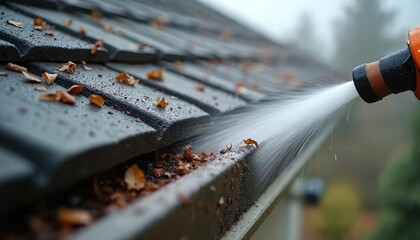
Gutter Cleaning Service removes leaves, pine needles, and other debris using ladders and hand tools and flushes downspouts with a garden hose. This helps ensure a clear flow of water and minimizes roof leaks and shingle deterioration.

Clogged Gutters Can Damage Your Roof

Gutters are designed to divert rainwater from your roof and protect the structure of your home. When clogged, gutters are unable to perform this important function, and can cause a number of problems. Gutters that are not cleaned regularly can lead to roof damage, siding damage, foundation issues, and other costly repairs.

When a gutter is clogged, the water it collects has nowhere to go. This can cause the water to seep through the roof, causing rot and weakened wood. The water can also back up under the shingles, which can lead to leaks in the house. Clogged gutters can also damage the fascia board, which holds the gutters in place.

Gutter cleaning services are a good way to avoid these problems and extend the lifespan of your roof. During a gutter cleaning service, the professional will clear out the debris and make sure the downspouts are working properly. They will test each downspout to ensure it is unobstructed and check the outlet extensions to make sure they are at least six feet away from the foundation. This will help to prevent soil erosion and basement flooding, as well as reduce the risk of foundation cracking.

Overflowing gutters can also damage your home’s exterior walls and landscaping. The water spilling over the sides of the gutters can stain the siding and paint, and erode the soil near planters and walkways. Over time, this can damage the integrity of your home’s foundation and lower its value.

Standing water in clogged gutters can attract mosquitoes, carpenter ants, and other pests, which can cause serious health risks for your family. It can also lead to mold and mildew, which can contaminate your indoor air and affect your family’s overall health. Gutter cleaning services can prevent these issues by making sure the gutters are free of any debris and that the downspouts are not blocked. They can also perform a general inspection of the gutters, checking for damage or other issues that may need to be addressed. The expert can recommend any necessary repairs to extend the life of your gutters.

Clogged Gutters Can Damage Your Foundation

Gutters direct rainwater and melted snow away from foundations, but clogged gutters interfere with this critical function. Water spilling over gutter edges or pooling around the foundation saturates soil near the building’s perimeter, creating hydrostatic pressure that gradually widens cracks in basement walls and concrete slabs. Moisture seepage also weakens joists and other wooden structures that support the home’s weight, exposing the structure to further damage as it rots or collapses.

In addition to structural damage, clogged gutters can also promote the growth of mold and mildew, especially in Florida’s humid climate. Standing water and organic debris provide the perfect breeding ground for mosquitoes, flies, ants, rodents and other pests, which can then spread to the interior of the home. Regular gutter cleaning minimizes these pest infestations, safeguarding the health of your family.

Gutter cleaning services remove leaves, pine needles, twigs, weeds and other debris that block water flow, keeping your gutter system clear of obstructions for the long haul. In addition, a thorough inspection verifies that the gutter pitch and downspout inlets are free of physical blockages. Removing these obstructions reintroduces the natural flow of water to the area where gutters were designed to protect, eliminating clogs and restoring the intended hydraulic balance.

Unmanaged water flow and structural problems caused by clogged gutters can lead to expensive foundation repairs. Fortunately, gutter cleaning is a cost-effective way to prevent these problems before they escalate.

Look for signs of clogged gutters, such as water stains on exterior walls or around the foundation. When you spot these signs, contact a gutter professional right away to schedule a cleaning or inspection. Gutter cleaning services can eliminate costly repairs and help your property maintain its value. Contact Thrasher today to schedule your free estimate. We’ll send one of our expert design specialists to walk you through the process and discuss your needs. They’ll then recommend the best gutter solution for your home. Contact us to learn more about our gutter cleaning services. We proudly serve homeowners in Atlanta, Marietta, and the surrounding communities. Our team is ready to help you with your gutter and roof maintenance needs.

Clogged Gutters Can Damage Your Siding

Clogged gutters force water to spill over the sides, saturating soil around foundations and triggering expansion-and-contraction cycles that weaken concrete footings and undermine exterior walls. Over time, these conditions lead to basement leaks and structural damage that require costly repairs. Gutter cleaning services restore the system’s designed flow path, preventing these problems from arising in the first place.

Persistent puddles or eroded landscaping are clear signs that your home’s gutter system is failing to drain water efficiently. Standing moisture also promotes mold and mildew growth that can destroy exterior paint, rot fascia boards, or cause interior health risks. Professional gutter cleaning ensures your home is protected from these problems, and new systems designed for optimal water management are less prone to clogs and easier to maintain than older styles.

Gutters perform a vital structural function, directing roof runoff away from building walls and foundations. Blocked troughs interrupt this intended water-management system, causing the system to fail. Wet leaves and debris flatten the gutter slope and block downspout inlets, causing water to overflow over its edges and into the area it was intended to protect.

This overflow water may seem harmless at first, but it creates a series of problems that threaten the integrity of your property. First, it saturates the soil near foundations, triggering expansion-and-contraction cycles and eroding the soil beneath sidewalks, patios, and driveways. In some cases, the pressure of this saturated soil can crack foundations and damage concrete slabs, requiring expensive repair.

Water seepage through clogged gutters also damages siding, washing away paint and causing wood rot. Moisture trapped behind the siding promotes mold and mildew growth that stains it, degrading the appearance of your property and lowering its value. In addition, clogged gutters can wash away mulch and erode soil, resulting in unsightly sagging and uneven areas that weaken the structure of your home. Gutter cleaning services keep your home safe and attractive, reducing its liability risk and adding to its resale value. Gutter maintenance should be performed on a biannual schedule, once in spring after pollen and seed drop and once in autumn during the peak of leaf fall. This preventive schedule provides the opportunity to inspect the slope, seals, and discharge paths of your gutter system before winter’s ice dams and snow melt flood the gutters.

Clogged Gutters Can Damage Your Landscaping

Gutter systems are designed to channel water away from the foundation of a home. If a gutter becomes full of debris, it can’t do this effectively. Over time, this can lead to soil erosion, which can damage flowerbeds, shrubbery, and other landscaping features near the home. Gutters that aren’t functioning properly can also damage retaining walls and patios. The constant flow of water from clogged gutters can also cause damage to the structure of a home, including cracks in the foundation and walls.

The primary function of a roof gutter is to direct rainwater and melting snow away from the house. When gutters are clogged with leaves, twigs, and other debris, they can’t do this correctly. This can lead to a variety of problems, including damaged landscaping, basement leaks, and foundation cracks.

Regular gutter cleaning can help prevent these problems. During the cleaning process, professionals remove debris from the gutters and downspouts. They also test each downspout to ensure it isn’t clogged or leaking. If it is, they will clean the downspout and flush it with a garden hose to remove any remaining debris.

In addition to preventing foundation damage, clean gutters can prevent soil erosion and protect other structures on a property, such as sheds and fences. Standing water in a gutter can destroy these structures by washing away the soil underneath, which can lead to cracks and other issues. Gutters that are free of debris can prevent this damage and keep the surrounding landscape intact.

Regular gutter cleaning can also save homeowners money on maintenance and repair costs. Over time, the unrestricted flow of water from clogged gutters damages a home’s foundation, siding, and landscaping. This can result in expensive repairs and replacements that can be difficult to maintain over the long term. By keeping gutters clean, homeowners can avoid costly repairs and extend the life of these structures.

Visit our Professional Services Blogs

Chris Atkins Lawncare, Atticus Landscaping, Treasure Coast Pressure Wash, Gulf Beach Plumbing, Marlborough Plumbing, Guns And Hoses Pressure Washing, Ambrose Construction, Coral Gables Pressure Washing, Willco Photography, Roofing Akron, Danalogsdon Roofing El Cajon, EC Siding Roofing Windows, Aurora Gutter, American Insurance Source, ECO, etdn, Denison Service League,  Roofing Blog, Atlantic Vinyl Windows, Brookshires Fireplaces, JD Advanced Remodeling, Product Judgment, Master Dry Foundation Repair, Moe’s Hip, Elta Patio Paramount, Rock Around The Clock Festival, Learn, Play, Beyond, MoralesT Gardening, Car Window Tinting Perth, Duncan Carpentry, Gatestone Lighting, Mid Missouri Mold Inspections, Stucco Repair Albuquerque, Wausau Siding Hire, Munster Tree Care, Blue Granite Homes, Custom House, CENTRAL OS, Atlanta Pavers, Phillips Law Firm, Brent Ryder MasonryWalker Construction Drywall Division, RJ Law, Caledon Plumbing, DDS Tech USA, Maine Mortgage Services, Inckpen, Seasons at Rose Creek, Cottonwood Place Dental, Cosmetic Laser 2000 
Roof Repair Process and Cost: What Homeowners Need to Know

Roof Repair

Roof repair is an essential part of home maintenance that protects both the house’s structure and the people living inside. Even minor roofing issues can quickly escalate into serious problems if left unaddressed for too long. Leaks, missing shingles, and damage to flashing may seem minor at first, but they can lead to mold growth, wood rot, and costly interior repairs over time. Many homeowners are unsure about roof repairs because they do not fully understand the process or associated costs. Roofing work is often out of sight, making it harder to determine what is necessary and what is not. Learning how roof repairs are performed and what factors influence pricing helps homeowners make confident decisions and avoid unnecessary expenses.

This article explains the roof repair process step by step and breaks down the associated costs. It is designed to be informative, easy to read, and practical for homeowners who want to protect their investment and plan their budget wisely. Go to this website at https://wrightroofingconstruction.com/ to learn more.

Common Roof Problems That Require Repair

Roof repairs are usually needed when damage occurs due to age, weather, or poor installation. One of the most common issues is damaged or missing shingles. Shingles can crack, curl, or blow off during storms, leaving the roof exposed to water intrusion. When this happens, moisture can seep into the underlying layers and cause further damage.

Leaks are another frequent reason homeowners seek roof repairs. A leak does not always appear directly above the source of the problem, which makes it tricky to locate. Water can travel along roof decking and framing before dripping into the living space. This often results in stains on ceilings or walls and may indicate a much larger issue within the roofing system.

Flashing and seal failures also contribute to roof problems. Flashing is installed around chimneys, vents, and skylights to prevent water from entering. Over time, flashing can corrode, loosen, or crack. Sealants can dry out and lose effectiveness, especially in areas exposed to intense sunlight or extreme temperatures. These issues often require timely repairs to prevent further damage.

The Roof Repair Inspection and Assessment Process

The roof repair process usually begins with a thorough inspection. A roofing professional examines the surface of the roof, looking for visible signs of damage such as missing shingles, cracked materials, or sagging areas. The inspection may also include checking gutters, flashing, and roof penetrations to identify potential weak points.

In many cases, the inspection extends beyond the exterior. Contractors may inspect the attic or ceiling areas to look for signs of moisture, mold, or insulation damage. This helps determine how long the problem has been present and whether water has affected the structure beneath the roof. A detailed assessment ensures that all issues are addressed rather than just the most obvious ones.

After the inspection, the contractor provides an explanation of the findings and recommends the necessary repairs. This stage is important because it helps homeowners understand the scope of work and the urgency of the repairs. Clear communication during this phase sets realistic expectations for both the repair process and the associated costs.

Step by Step Overview of the Roof Repair Process

Once the assessment is complete and the homeowner approves the work, the actual roof repair process begins. The first step is preparing the area by securing loose materials and protecting surrounding property. Contractors may cover landscaping or place tarps to catch debris during the repair.

The damaged roofing materials are then removed carefully. This could involve replacing a few shingles, repairing flashing, or removing sections of the roof to access deeper layers. If the underlying decking or underlayment is damaged, it is repaired or replaced before new materials are installed. Addressing these hidden issues is crucial for ensuring the longevity of the repair.

After repairs are completed, new materials are installed and sealed properly. Contractors ensure that everything is aligned, secured, and weather resistant. The final step includes a cleanup and a brief inspection to confirm that the repair meets quality standards. When done correctly, roof repairs restore the roof’s ability to protect the home and prevent future issues.

Factors That Influence Roof Repair Costs

Roof repair costs vary depending on several important factors. The type of damage plays a major role in pricing. Minor repairs such as replacing a few shingles are generally affordable, while extensive water damage or structural repairs increase the overall cost. The longer a problem goes unaddressed, the more expensive it usually becomes.

Roofing material also affects repair costs. Asphalt shingles are typically less expensive to repair than metal, tile, or slate roofing. Specialized materials often require skilled labor and specific tools, which can raise labor costs. The availability of matching materials may also influence pricing, especially for older roofs.

Labor rates, roof accessibility, and location are additional considerations. Steep or multi story roofs require more time and safety precautions, which can increase costs. Local labor rates and regional weather conditions may also affect pricing. Understanding these factors helps homeowners see why estimates can vary and why the cheapest option is not always the best choice.

Repair Versus Replacement and Long Term Value

One of the most common questions homeowners face is whether to repair the roof or replace it entirely. Roof repair is often the best choice when damage is limited and the roof is relatively young. Timely repairs can extend the life of a roof by many years and prevent the need for a costly replacement.

However, repeated repairs on an aging roof may not be cost effective in the long run. If the roof is nearing the end of its lifespan or has widespread damage, replacement may offer better value. A new roof provides improved durability, energy efficiency, and peace of mind, which can outweigh the higher upfront cost.

Considering long term value is essential when deciding on roof repairs. Quality repairs performed by experienced professionals protect the home and reduce the risk of future problems. Whether repairing or planning for eventual replacement, making informed decisions helps homeowners maximize their investment and maintain a safe living environment.

Final Thoughts

Understanding the roof repair process and its associated costs empowers homeowners to take action before small issues become major problems. Roof repairs are a critical part of maintaining a home’s structural integrity and protecting it from the elements. When handled promptly and professionally, repairs can significantly extend the life of a roof.

Costs can vary, but they are influenced by clear factors such as damage type, materials, labor, and accessibility. Knowing what affects pricing allows homeowners to plan their budget and evaluate repair estimates with confidence. Investing in proper repairs today often prevents far more expensive damage in the future.

By working with qualified roofing professionals and addressing issues early, homeowners can ensure their roof continues to perform its job effectively. Roof repair is not just about fixing what is broken, but about preserving the comfort, safety, and value of the home for years to come.

Visit our Professional Services Blogs

Smart Choice Plumbing And Air, Sanitize My Airducts, Bethesda Locksmith, Golden Coast Cleaners, Advanced Concrete Staining, Home Pool Cleaners, Brayhines Septic, Shaka Pool And Spa Cleaning,Mr Clean And Shine, Best Appliance Repair Long Beach, Gulf to Bay Water Remediation, Garage Door San Francisco, Richmond Flooring, Fence Builders Woodlands, Colorado Springs Auto, Fuel Frontlines, Expert 24 Option, Sacramento Roseville Real Estate, SLO Homes, Philadelphia Towing, State Powerwashing, Truck Tires Worldwide, Website Translation, Construction Company Farmington NM, Green Home Los Angeles, Trinity SEO Marketing, Electric Fireplaces, Argos Bookkeeping, Christopherson Drywall,Garage Door Installation, Missouri Personal Injury Lawyer Blog, Alvins Auto Body, Carpet Care Pros, Las Vegas Concrete, Clark Concrete Company, Deck Builders Missour City, Lechleitner Builders, Medical Health Insurance Policy, Royal Siding Windows, Carpet Steam Cleaners Review, Go Greeen Lawn Painting, Oakwood Skate Deck, Texas Home Remodeling And Painting, USA Home Repair Remodeling, Dream Home Remodeling Services, Brent Lawn Homes, Great Ernm Homes, Accelerated Orthodontic, Arctic Cooling And Heating, Baltimore Heating And Airconditioning

Roofing for Commercial Buildings

Diamond Roofing and Construction

Diamond Roofing and Construction focuses on roofs used in the operation of business. These roofs have unique factors that need to be considered before re-roofing or building new.

For example, food processing facilities may require a membrane that maintains exceptional resistance to chemical exposure. Insulation requirements also differ between facilities. Energy efficiency is a key consideration as well.

Flat Roofs

Many business owners choose flat roofs for their modern design and convenience. They are simple to construct, use fewer materials than sloped roofs, and are faster to install. This reduces upfront costs and installation time, which is crucial for a building’s schedule and budget.

While they do require some maintenance, such as removing debris and repairing cracks or punctures, it is less labor-intensive than maintaining a steep roof. The ease of access also allows for routine inspections and repairs without putting employees in danger by having to scale a dangerous sloped roof. Additionally, the lack of a slope means it’s easier to spot leaks and other damage in flat roof areas.

Flat roofs can save valuable space inside a commercial building by accommodating equipment such as HVAC systems and electrical systems. This frees up space in the building’s interior for more productive operations and allows for better energy efficiency, which can reduce operational expenses.

In addition to saving space, flat roofs can be used for amenities such as rooftop patios. This can help businesses create more attractive spaces for their associates and clients and boost their business’s reputation as a top-tier workplace. Additionally, these features can add to a building’s value, making it more desirable for potential buyers if the business ever decides to sell.

Flat roofs can also be designed with custom drainage options to manage large volumes of water and prevent flooding or ponding. This can be done with internal drains, scuppers, or a combination of both. This allows for efficient servicing, which can catch problems before they become more severe and minimizes the need to replace parts of the roof or entire sections of the building.

Pitched Roofs

A pitched roof is a popular option for commercial buildings due to its aesthetic and space potential. This type of roofing offers a range of benefits, such as enhanced thermal insulation and energy efficiency. They also have a longer lifespan than flat roofs, and can be constructed with a variety of materials, including asphalt shingles and metal.

Pitched roofs are characterized by their angled design, which naturally directs rainwater and debris away from the structure, significantly reducing the risk of water damage and leaks. This is a major benefit that differentiates them from flat roofs, which often require more frequent inspections and maintenance to avoid ponding water and structural damage.

The angled design of a pitched roof also enhances the visual appeal of a building, complementing various architectural styles. Additionally, pitched roofs can accommodate a variety of roofing materials, including asphalt shingles, tile, and composites. This versatility makes it easier to find a roof style that fits the vision and design of a commercial property.

While a pitched roof may have a higher upfront cost than a flat roof, its long-term advantages make it a worthwhile investment. With proper maintenance, a pitched roof can last 30+ years, and may offer increased insulation and energy savings compared to flat roofing systems. A well-insulated roof can significantly reduce the amount of energy a commercial building consumes, which can lead to significant savings in operating costs.

In addition, a pitched roof provides excellent drainage, reducing the risk of water leaks and minimizing the need for repair or replacement. However, due to their steep incline, pitched roofs can be difficult to access for maintenance work, such as HVAC or solar panel installation.

When selecting a roof for your commercial building, it’s essential to consider your budget, climate considerations, and maintenance capabilities. Understanding the relationship between roof pitch and different roofing materials can help you select the best option for your business. Contact Eagle Eye Roofing to learn more about our services and to discuss your options for commercial roofing. We would be happy to help you select the perfect roofing for your new or existing building!

Metal Roofs

The longevity and reliability of metal roofs ensure that a commercial building’s investment is protected for decades. Unlike shingle and membrane roofs, which are vulnerable to storm damage, rust, cracking, and seam failure, metal roofs require little upkeep beyond periodic inspections. This minimizes the disruption of business operations and limits future costs, giving a commercial roof a high return on investment.

A variety of styles and colors allow a metal roof to complement any architectural design. In addition, they are often coated with cool roof coatings to further enhance energy efficiency. This feature reflects solar heat, which keeps buildings cooler in summer, cutting cooling costs and relieving stress on air conditioning systems. In winter, they also retain a greater amount of stored heat, reducing the burden on heating systems and lowering energy consumption.

Additionally, metal roofs are noncombustible and have Class A fire ratings, protecting people and inventory in the event of a fire. They’re also able to withstand strong winds and severe weather conditions, minimizing the risk of structural damage. These exceptional safety and performance features make metal roofs ideal for commercial buildings located in regions prone to hurricanes, tornadoes, or hailstorms.

When choosing a metal roof, commercial buyers should consider their budget, aesthetic preferences, and the suitability of the roof to local climate conditions. In general, a corrugated metal roof is the most affordable option, while standing seam metal roofs offer a sleek, modern appearance and superior leak protection.

A wide variety of profiles are available, ranging from flat panels to corrugated sections with distinct ridges that give them their characteristic wavy silhouette. Corrugated sections, in particular, are an excellent choice for areas that experience frequent hailstorms. In these cases, the smooth surface of the roof encourages snow to easily shed from the structure, limiting structural strain and preventing the accumulation of hazardous snow build-up.

As a sustainable roofing option, metal roofs are typically made of recycled content and can be easily recycled at the end of their lifecycle. This reduces waste and landfill space, and it supports the environmental goals of businesses looking to minimize their footprint.

Energy Efficiency

With a growing focus on cost management and sustainability, commercial properties are turning to the roof for energy efficiency solutions. While these solutions often involve higher upfront costs, they can deliver substantial energy savings and improve indoor comfort. Savvy property managers can balance bottom-line benefits and environmental responsibility by performing a thorough cost-benefit analysis of energy-efficient roofing options.

A common solution is a cool roof, which uses reflective surfaces and coatings to reduce heat absorption and improve insulation. These roofs can decrease air conditioning demand by up to 15%, which significantly reduces utility bills and improves energy efficiency. Other energy-efficient roofing options include green roofs, which use vegetation and growth media to insulate buildings, mitigate the urban heat island effect, and enhance the environment.

Energy-efficient roofs can also incorporate solar panels, which increase the amount of energy a building generates and reduces the need for fossil fuels. These roofs can be used in conjunction with daylighting, which refers to the controlled admission of sunlight through a skylight or other opening. This natural light helps regulate indoor temperatures and can dramatically lower energy expenses.

Many government agencies and energy providers offer tax credits, rebates, and other incentives for businesses that invest in energy-efficient upgrades. These can significantly improve the return on investment (ROI) for new roofs. Additionally, many roofing systems can earn LEED certification, which offers additional marketing and financial benefits.

In addition to reduced energy costs, commercial buildings with energy-efficient roofs typically experience lower maintenance expenses. This is because they operate at cooler temperatures, which reduces the stress that can lead to damage and deterioration of roofing materials. Additionally, these roofs are more resilient against weather conditions, which can extend their lifespan.

Energy-efficient roofs can help businesses achieve a wide range of sustainability goals, including meeting regulatory requirements and decreasing carbon emissions. In addition, many of these systems provide other valuable non-monetary benefits, such as reducing environmental impact and improving indoor comfort. When considering a new roof, it’s important for commercial property owners to perform a detailed cost-benefit analysis to determine which options will best serve their business needs.