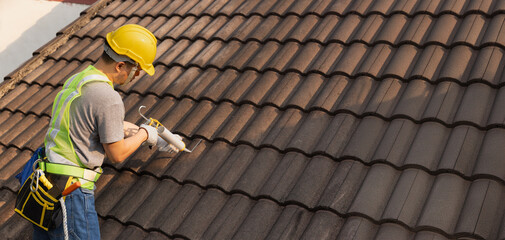
A strong and durable roof is one of the most essential components of any home or building. It not only shields the structure from the elements but also contributes to energy efficiency, curb appeal, and property value. Maintaining a healthy roof requires regular inspections, repairs, and sometimes complete replacements, all of which fall under the umbrella of professional roofing services. Understanding the scope of these services, the types of roofing available, and the benefits of proactive maintenance can help homeowners and property managers protect their investment and avoid costly repairs.
Roofing services encompass a wide range of activities, from routine inspections and minor repairs to full-scale installations and replacements. Professional roofing contractors are trained to assess the condition of your roof, identify potential problems, and recommend solutions that are both practical and cost-effective. One of the primary advantages of hiring skilled roofing professionals is their ability to detect issues that may not be visible to the untrained eye, such as subtle water damage, compromised underlayment, or deteriorating flashing. Early detection allows homeowners to address problems before they escalate into major structural damage. Check out https://www.danforthconstruction.com/ for more details.
Routine roof inspections are a critical component of roofing services. These inspections involve a thorough examination of all components of the roof, including shingles, tiles, metal panels, gutters, and venting systems. During inspections, professionals look for signs of wear and tear, such as cracks, curling, missing shingles, rusted metal, and water intrusion. Regular inspections, ideally conducted at least twice a year, help prevent unexpected leaks, structural damage, and reduced roof lifespan. Additionally, inspections are especially important after severe weather events like heavy rain, hail, or high winds, which can cause unseen damage that worsens over time.
Roof repair services address specific issues that compromise the functionality and durability of the roof. Common repairs include fixing leaks, replacing damaged shingles or tiles, sealing gaps around vents and chimneys, and repairing flashing. Timely repairs not only prevent further damage to the roof but also protect the interior of the home from water intrusion, mold growth, and structural weakening. Homeowners should prioritize addressing roof problems promptly, as delaying repairs can lead to more extensive damage and higher costs down the line.
Roof replacement or installation services are necessary when a roof has reached the end of its lifespan, sustained extensive damage, or requires an upgrade for aesthetic or performance reasons. Professional contractors guide homeowners through the process of selecting the appropriate roofing material, considering factors such as durability, climate suitability, energy efficiency, and budget. Modern roofing materials offer a wide range of options, including asphalt shingles, metal roofing, clay or concrete tiles, and eco-friendly alternatives. Proper installation is critical to ensure longevity, prevent leaks, and maintain the structural integrity of the building.
Two key factors to consider when evaluating roofing services include:
- Material Expertise: Roofing contractors often specialize in certain materials, which ensures proper installation and maintenance. For example, metal roofing requires different techniques than asphalt shingles or tile roofing.
- Comprehensive Service Offerings: The best roofing providers offer a full spectrum of services, including inspections, repairs, maintenance, and complete replacements, allowing homeowners to rely on a single professional source for all roofing needs.
Preventive roof maintenance is another crucial aspect of roofing services. Maintenance tasks can include cleaning gutters, trimming overhanging branches, inspecting attic ventilation, and applying protective coatings. Proper maintenance extends the life of the roof, improves energy efficiency, and reduces the risk of costly repairs. For example, debris in gutters can lead to water buildup, which causes rot or leaks, while overhanging tree branches can damage shingles during storms. Regular maintenance ensures that small issues are addressed before they develop into larger problems.
Professional roofing services also prioritize safety and compliance. Roofing projects involve working at heights, handling heavy materials, and using specialized tools and equipment. Experienced contractors follow safety protocols, such as fall protection and proper scaffolding, to minimize the risk of accidents. Moreover, professional roofers ensure that all work complies with local building codes and manufacturer guidelines. Compliance is essential for maintaining warranties, avoiding legal complications, and ensuring the structural integrity of the roof.
Emergency roofing services are another critical aspect of professional care. Severe weather events, fallen trees, or unexpected leaks can create urgent situations that threaten the safety and functionality of a property. Emergency services often include temporary tarping, rapid leak repairs, or structural stabilization to prevent further damage. Quick response in these situations mitigates risks, protects property, and provides peace of mind for homeowners facing sudden roofing issues.
Energy efficiency is an increasingly important consideration in modern roofing services. Many roofing materials and installation techniques are designed to reduce heat absorption, improve insulation, and lower energy costs. For instance, reflective shingles or metal roofing can deflect sunlight, keeping homes cooler during summer months and reducing the load on air conditioning systems. Proper insulation and ventilation further enhance efficiency, providing long-term savings on utility bills while contributing to environmentally responsible building practices.
Roofing services also contribute to curb appeal and property value. A well-maintained roof enhances the visual appeal of a home, making it more attractive to potential buyers or tenants. Whether it involves replacing worn shingles, upgrading to high-quality materials, or installing architectural features, professional roofers can improve both the functionality and aesthetics of a property. Additionally, a visually appealing and structurally sound roof instills confidence in the durability and maintenance of the home.
Two essential benefits of professional roofing services include:
- Long-Term Cost Savings: By addressing minor repairs promptly, conducting regular maintenance, and selecting durable materials, homeowners can avoid expensive emergency repairs and premature roof replacements.
- Peace of Mind: Knowing that a roof is professionally inspected, repaired, and maintained ensures safety, structural integrity, and protection from weather-related damage.
Choosing the right roofing service requires careful consideration of experience, reputation, and service offerings. Homeowners should look for licensed and insured contractors with a proven track record of quality work. Transparent pricing, detailed estimates, and clear communication are also vital in ensuring that the project meets expectations without hidden costs. Seeking referrals, reading reviews, and verifying credentials further enhances confidence in selecting a roofing professional.
In conclusion, professional roofing services are essential for the protection, longevity, and value of any home or building. From routine inspections and maintenance to repairs, replacements, and emergency response, these services address a wide range of needs, ensuring that the roof remains functional, safe, and aesthetically appealing. By understanding the scope and benefits of roofing services, homeowners can make informed decisions, prevent costly damage, and enhance the overall durability of their property. Investing in professional roofing expertise is not just a matter of maintaining a structure—it is an investment in safety, energy efficiency, and long-term peace of mind.